
English
The English department is committed to developing students’ reading and writing skills to prepare them for whatever the future holds. All students need to be able to use English, both verbally and electronically, for academic purposes and to achieve their life goals. We aim to teach every pupil to represent themselves effectively using the written word for a range of purposes, from writing an email to a prospective employer to crafting a strong argument for a speech.
Our main aims:
- Encourage a passion for reading as part of personal and academic growth
- Equip students to express themselves coherently and elegantly in both written and spoken forms
- Cultivate curiosity and analytical skills through literature and language
- Build confidence in articulation, structured talk, debate, and discussion
- Expose students to significant works across literary traditions and history
- Maintain high standards of knowledge and academic discipline across all key stages
- Offer enriching literary experiences and encourage independent learning at all levels
- Connect English literature and language to the modern world and its cultural significance.
We work closely with the Library to encourage students to read for pleasure as well as for academic purposes. Our reading resources are constantly updated with the latest novels; we also have the most up-to-date digital resources on iPads including eBooks for A Level Literature and several educational apps. Accelerated Reader is a programme that allows students to be given recommended books that will optimise the improvement of their reading ability: in conjunction with the SENDCO and our Librarian, we are able to track students’ reading activity and progress in order to provide intervention, support or extension as necessary.
Courses offered:
GCSE English Language and English Literature
All students study two GCSEs: English Language and English Literature. Across both courses, students develop confidence in reading, writing, and spoken communication. They explore a wide range of engaging fiction and non-fiction texts, analysing how writers use language to shape meaning and influence readers. Through creative and analytical writing, students refine their ability to express ideas with clarity and sophistication, building skills that prepare them for A Level study and beyond
Students follow the IGCSE English Language course, developing their confidence and creativity as writers through drafting, editing, and refining both imaginative and non-fiction pieces. This coursework makes up 50% of the final grade, complemented by a reading examination worth the remaining 50%, which challenges students to analyse and interpret a wide range of unseen texts with insight and precision.
What will I learn?
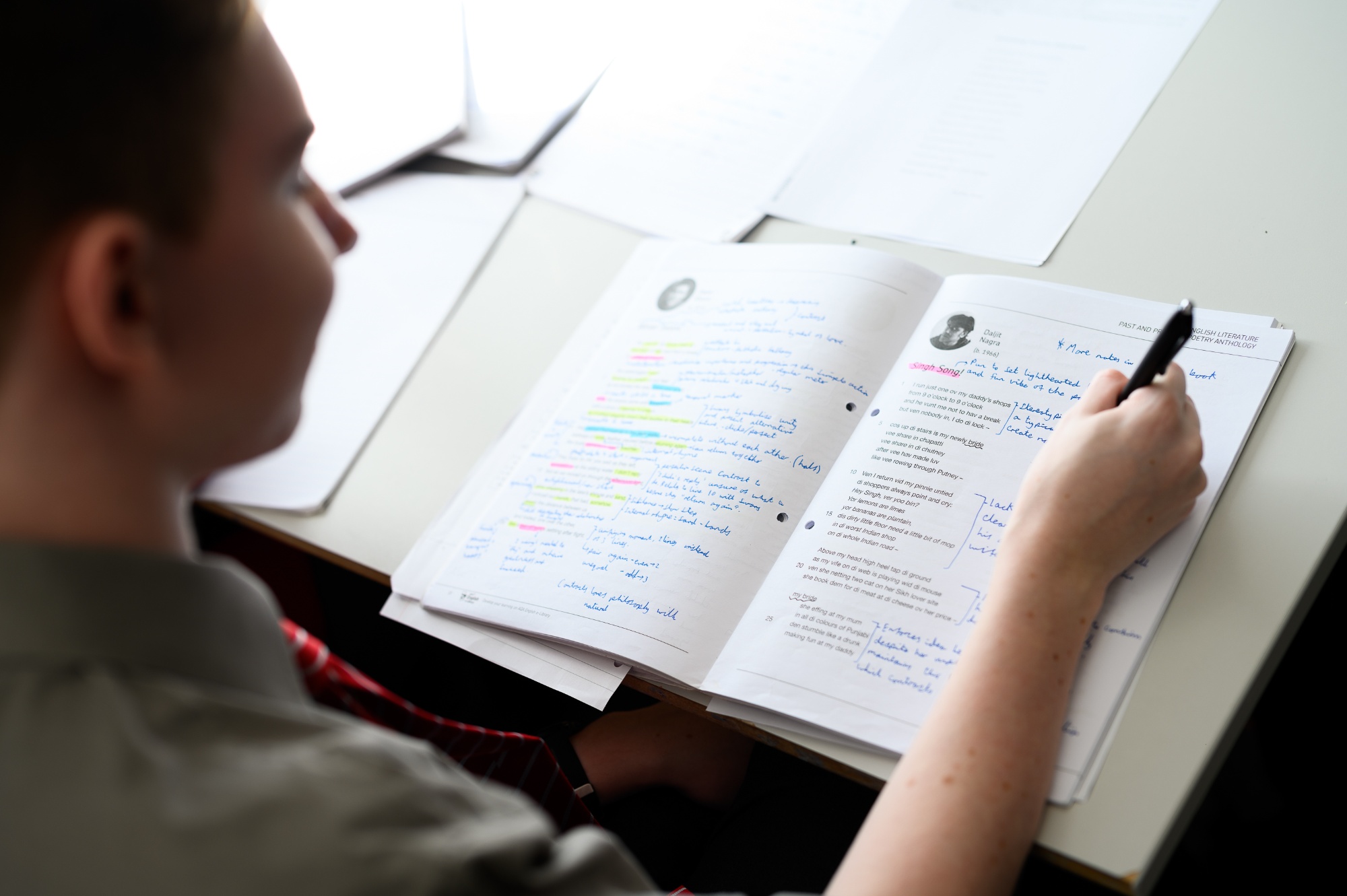
For Literature, the AQA GCSE English Literature course allows students to develop a deep appreciation for how writers craft meaning across drama, prose, and poetry. Through the study of classic and modern texts, they explore timeless themes, analyse writers’ methods, and refine their ability to express sophisticated interpretations. Assessment is entirely exam-based, with two written papers testing students’ analytical insight, comparison skills, and understanding of character, theme, and context in the following exam texts:
- Modern drama text:
- J.B Priestley – An Inspector Calls
- William Shakespeare:
- Macbeth
- 19th Century Novel:
- Charles Dickens - A Christmas Carol
- Poetry:
- Power and Conflict anthology
- Unseen poetry
A Level English Language & Literature
This course combines the analytical precision of language study with the creativity and insight of literature. Students explore how writers use language to tell stories, shape ideas, and represent the world – while developing their own confident, purposeful writing style.
Subject Content
- Study a rich range of literary and non-literary texts, from plays and novels to journalism and autobiography.
- Explore how voice, style, and perspective create meaning across different genres.
- Analyse how context and culture influence the way texts are written and received.
- Develop skills in close reading, comparison, and critical interpretation.
- Craft original writing inspired by professional models and personal interests.
- Learn to write with precision and flair for both academic and creative purposes.
- Build confidence in expressing complex ideas clearly, both in writing and discussion.
A Level English Literature
English Literature
The course develops independent and critical thought, research skills, and the ability to express ideas effectively and succinctly in both spoken and written form.
Aims of the course
Anyone studying for an A Level in Literature must be an avid reader, confident and able to discuss the various issues that Literature presents. Analytical responses to poetry, prose and drama texts nurture independent and collaborative thinking together with a critical and philosophical open-mindedness.
Enrichment
We offer a range of enrichment opportunities outside the classroom to inspire and expand students' knowledge of English in all key stages:
- Creative writing competitions for all ages in conjunction with the library
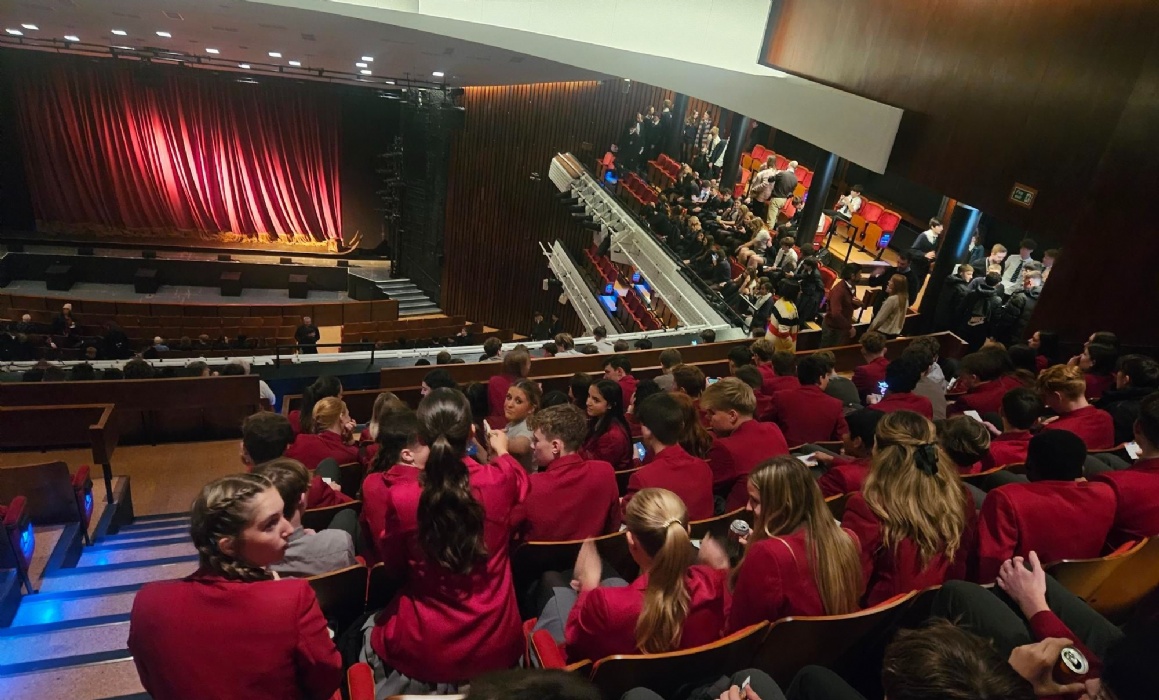
- Theatre trips to The Globe and other theatres
- Visits by touring theatre companies
- Carnegie Awards Shadow Readers
- Accelerated reader programme to encourage and support personal reading goals
- Public Speaking Club
- Author talks
- A range of clinics and academic enrichment clubs.
Mr Wolstenholme
Head of English