
22nd January 2026
Why Learning Modern Foreign Languages in Primary School Matters
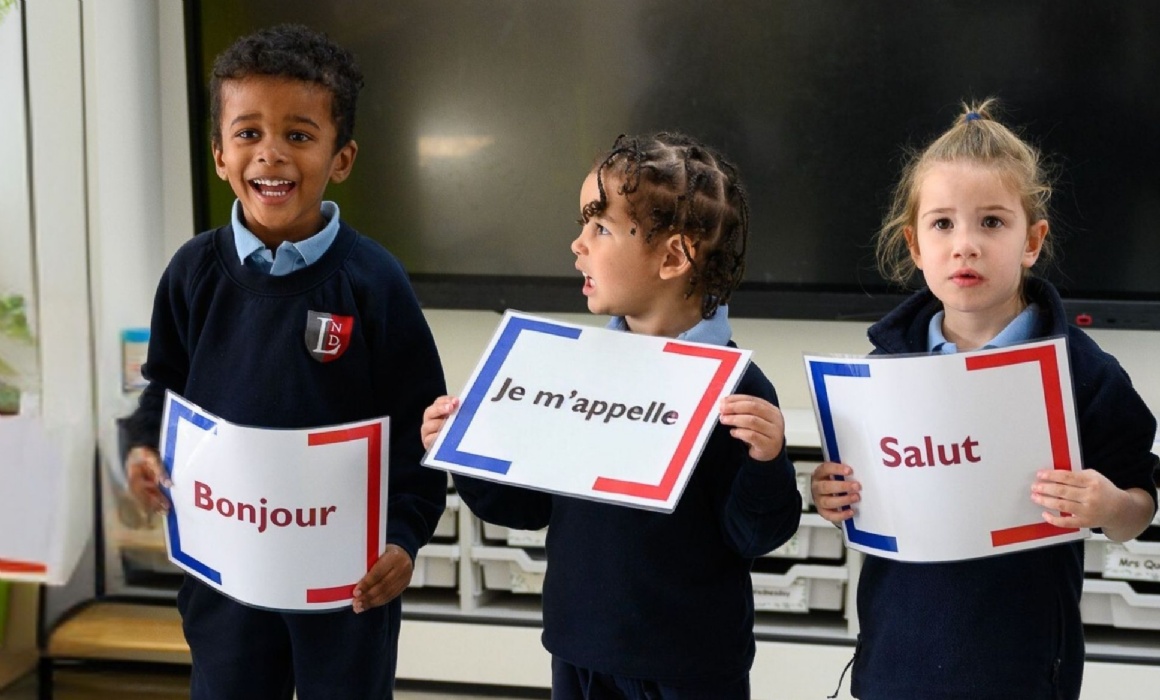
Introducing modern foreign languages such as French, German, and Spanish in primary school is one of the most valuable gifts we can give young learners. At an early age, children are naturally curious, open-minded, and eager to explore the world around them. Learning a new language builds on these qualities and helps children grow academically, socially, and culturally.
Building Strong Foundations Early
Young children absorb sounds and patterns more easily than older learners, making pronunciation and listening skills feel natural rather than forced. Early exposure to languages helps pupils develop confidence in speaking and listening, while also improving memory, concentration, and problem-solving skills.
At Lingfield Prep, children are taught French from Nursery to Year 4 by our specialist teacher Mrs Ngueudam. In Year 5, pupils are introduced to Spanish and in year 6 they are also offered German from February half term. Language enrichment clubs also enable children progressing in these subjects to be stretched further.
Learning another language also strengthens understanding of English. Children become more aware of grammar, sentence structure, and vocabulary, which can lead to improved literacy overall.
Exploring Different Cultures
Language learning is about much more than words – it opens a door to the wider world. Children discover how people live in different countries, how traditions vary, and how celebrations are enjoyed around the world. This cultural awareness helps pupils develop empathy, respect, and curiosity about others.
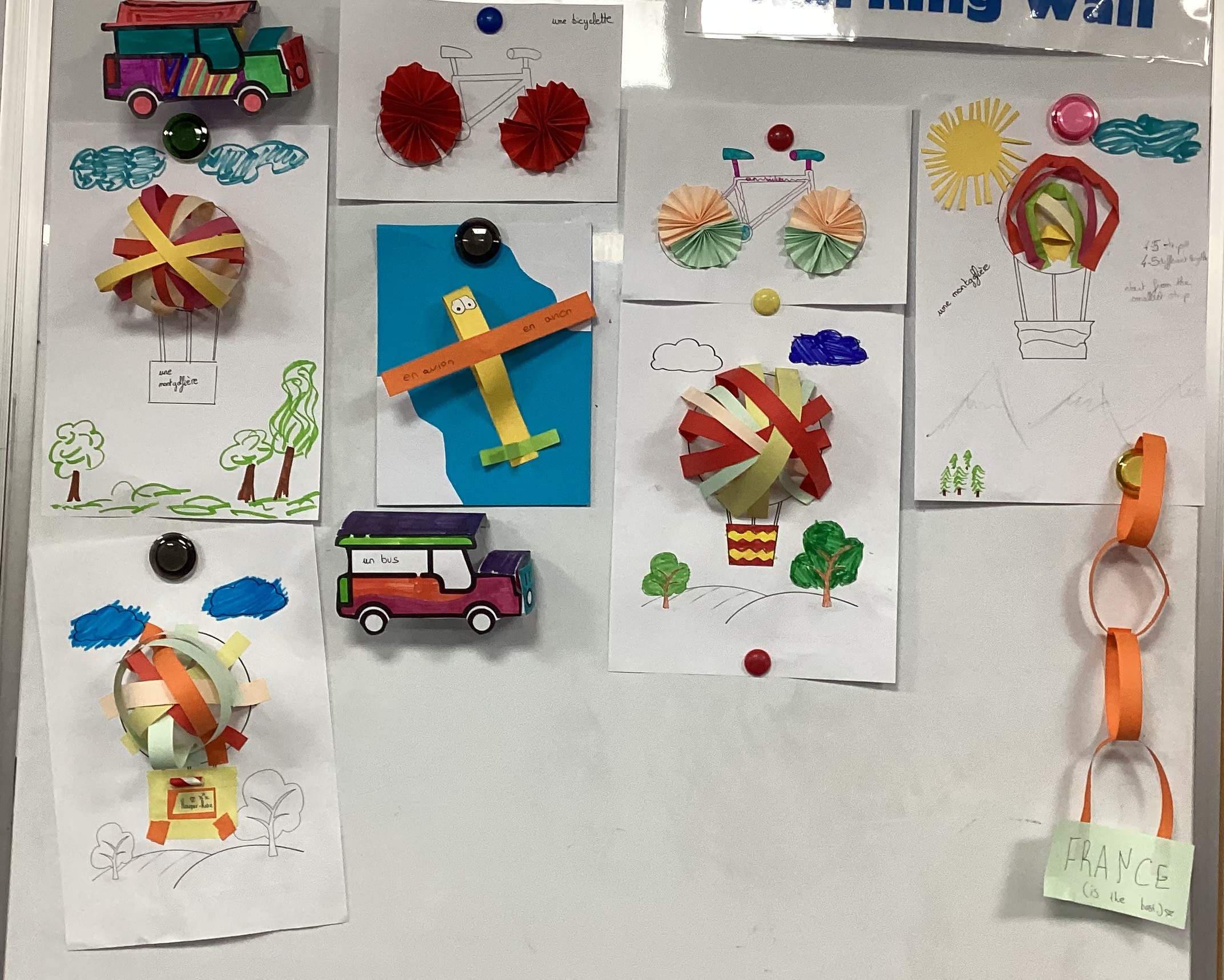
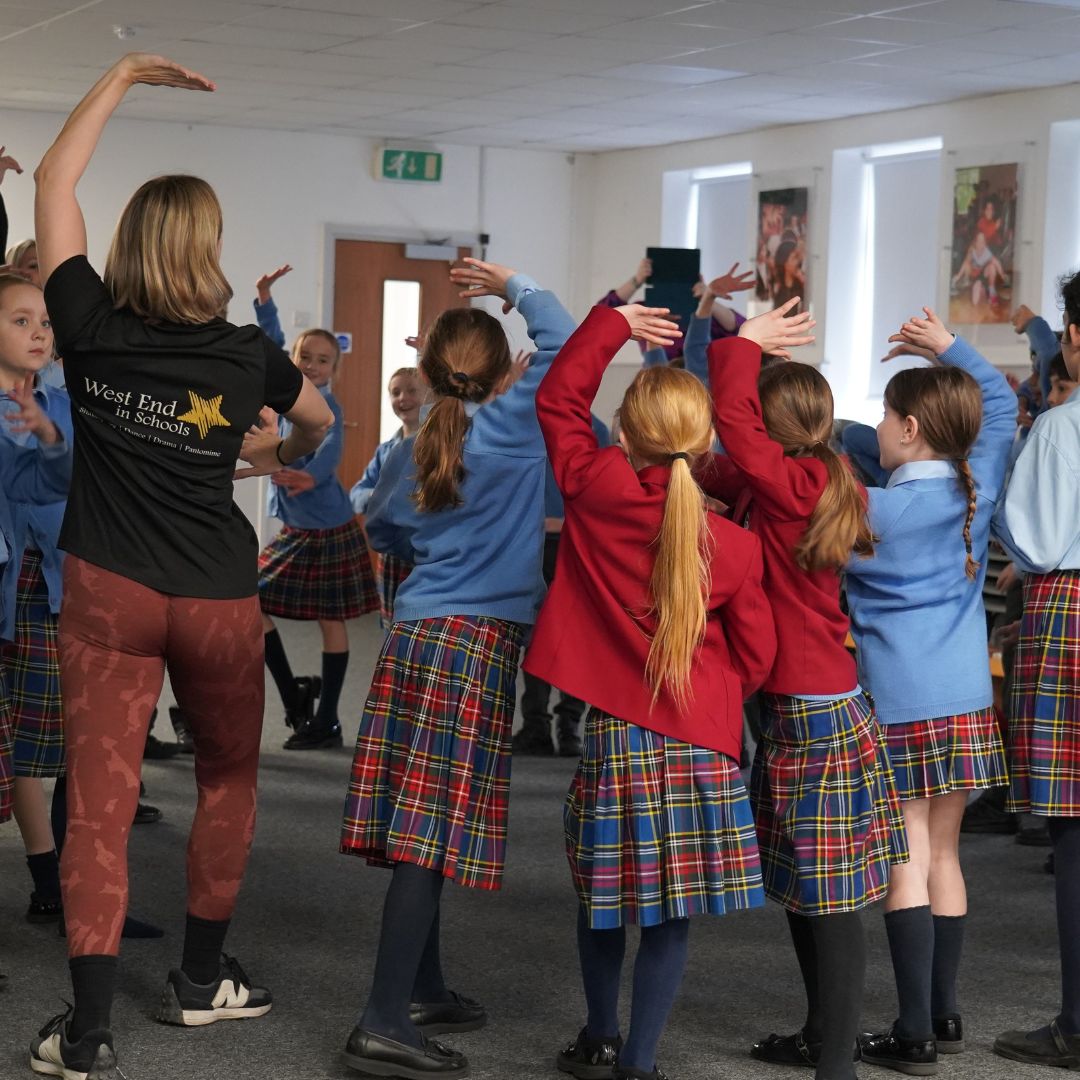
At Lingfield Prep, we offer a variety of experiences to enrich our pupils' learning. Most recently, Years 2–6 took part in a Flamenco workshop and younger pupils learnt about the Chinese Lunar Year through making a Chinese zodiac wheel, paper fortune cookies and 3D dragons. Year 4 have looked at the transport in Around the world in 80 days by French author Jules Vernes. Pupils in KS2 have created Piñatas from Mexico, African masks and cardboard Gingerbread houses from Germany, and looked at Día de los Muertos from Mexico and Peru. Our more able pupils in MFL Club are working towards a Japanese Kamishibai to perform to younger years.
Discovering Food from Around the World
Food is a fun and memorable way to bring languages to life. Learning the names of foods, exploring traditional dishes, and discussing mealtimes in different cultures makes lessons engaging and meaningful. Whether it’s learning about French pastries, Spanish tapas, or German bread, food helps children connect language learning with real-life experiences. For example, pupils in Yr1 and Yr3 looked at how Epiphany is celebrated with a Galette des Rois lesson.
Expanding Young Minds
Learning a modern foreign language encourages children to think differently. Switching between languages helps develop flexible thinking and creativity, while boosting confidence and resilience. Children learn that making mistakes is part of the learning process, an important life skill that extends far beyond the classroom.
Here at Lingfield Prep we are proud to have been awarded the British Council International School Award for embedding an international outlook in our school community. In a world that is increasingly connected, learning modern foreign languages at a young age helps grow into open-minded, confident individuals. It is not just a subject – it’s a way of seeing the world.
To see more of our MFL department, visit us at our Prep School Open Morning on Saturday 7th March.